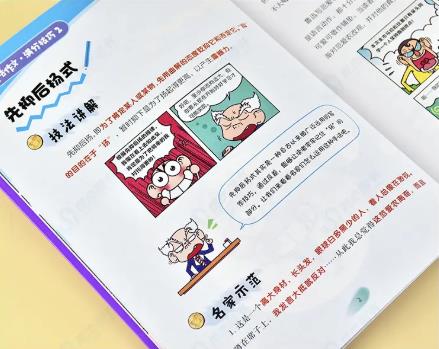
高中英语作文常用单词?还有make friends with交朋友, make a fool of sb.开某人的玩笑, make room for sb.腾地方给某人,make way让路,make (full)use of 充分利用;等等 注意,make up有五种常用意义,分别是:1组成;2化妆;3编造;4和解;5弥补。那么,高中英语作文常用单词?一起来了解一下吧。
adventure n. 冒险; 奇遇
anxious a. 忧虑的,焦急的
apologize vi. 道歉,谢罪
appearance n. 出现,露面;容貌
appointment n. 约会
appreciate v. 欣赏; 感激
audience n. 观众,听众
baggage n. 行李
bamboo n. 竹
behaviour n. 行为,举止
blame n.& v. 责备; 责怪
bleed vi. 出血,流血
boring a. 乏味的,无聊的
breathe vi. 呼吸
businessman n. 商人;企业家
camera n. 照相机;摄像机
celebrate v. 庆祝
centigrade a. 摄氏的
century n. 世纪,百年
certificate n. 证明,证明书
chain store(s)连锁店
cheek n. 面颊,脸蛋
chemistry n. 化学
classical a. 传统的;古典的
climate n. 气候
clinic n. 诊所
college n. 学院;专科学校
comfortable a. 舒服的;安逸的;舒服自在的
comment n. 评论
communicate v. 交际;传达(感情,信息等)
compare vt. 比较,对照
composition n. 作文;作曲
conceited a. 骄傲自满的
condition n. 条件,状况
conference n.(正式的)会议;讨论
congratulate vt. 祝贺
content a. 甘愿的,满意的 n. 内容
convenient a. 便利的,方便的
counter n. 柜台,结账处
countryside n. 乡下,农村
cousin n. 堂(表)兄弟,堂(表)姐妹
crazy a. 疯狂的
crowded a. 拥挤的
curious a. 好奇的;奇异的
daily a. 每日的;日常的 ad. 每天 n. 日报
damage n.& vt. 毁坏,损害
dawn n. 黎明,拂晓
deadline n.最后期限,截止日期
destroy vt.破坏,毁坏
determine vt. 决定;决心
devote vt. 把……奉献; 把……专用(于)
diary n. 日记;日记簿
dictionary n. 词典,字典
dining-room 食堂,饭厅
disadvantage n. 不利条件;弱点
disappear vi. 消失
disaster n. 灾难;祸患
discovery n. 发现
disease n. 病,疾病
1.谓语动词(写时要注意单复数)
2.情态动词
3.宾补(动词ing,不定式,介词短语)
4.地点状语
5、主补(which,that……来引导的短语)
east 东方的、eagerness 热心、eagle 鹰、ear 耳朵,听力、early 早等。
词汇解析
一、east英[iːst] 美[iːst]
adj.东方的
adv.向东方
n.东方;东部
1、east的基本意思是“东,东方”,指与西方相对的一个特定的方向,即日出的方向。
2、east可与介词at, in, on, to等搭配,表示“位于…的东方”。
3、east用作主语时一般用作专有名词,首字母常大写。
4、east用作形容词时的意思是“东方的,向东方的”,指某人或某事处于在东部或趋向于东方的状态。
5、east在句中只能用作定语,无比较级和最高级形式。
二、eagle
英['iːg(ə)l]美['igl]
n. 鹰;鹰状标饰
例:Shelookeddownat herViennesefanofeaglefeathers.
她的头低着,眼睛看着手中的威尼斯鹰羽扇。
三、eagerness
英['iːgənəs]
n. 渴望;热心
例:Hereagernessmovedallthepeople.
她的热心感动了所有的人。
四、ear
英[ɪə]美[ɪr]
n. 耳朵;穗;听觉;倾听
vi. (美俚)听见;抽穗
例:He whispered something in her ear.
他在她耳边低声说了些什么。

Chapter One 文章开头句型
1-1 对立法 : 先引出其他人的不同看法,然后提出自己的看法或者偏向于某一看法,
适用于有争议性的主题.
例如(e.g)
[1]. When asked about....., the vast/overwhelming majority of people say that ....... But I think/view a bit differently.
[2]. When it comes to .... , some people believe that ....... Others argue/claim that the opposite/reverse is true . There is probably some truth in both arguements/statements , but (I tend to the profer/latter ...)
[3]. Now, it is commonly/generally/widely believed/held/acknowledged that .... They claim/ believe/argue that ... But I wonder/doubt whether.....
1-2 现象法 引出要剖析的现象或者问题, 然后评论 .
e.g
[1]. Recently the rise in problem of/(phenomenon of) ... has cause/aroused public/popular/wide/ worldwide concern.
[2]. Recently the issue of the problem of/the phenomenon of ...has been brought into focus. ( has been brouth to public attention)
[3].Inflation/Corruption/Social inequality ... is yet another of the new and bitter truth we have to learn to face now/constantly.
----- To be continued !!
1-3 观点法 ----开门见山,直接了当地提出自己对要讨论的问题的看法.
e.g:
[1]. Never history has the change of .. been as evident as ... Nowhere in the world/China has the issue/idea of .. benn more visible/popular than...
[2]. Now people in growing/significant numbers are beginnig/coming to realize/accept/(be aware) that...
[3]. Now there is a growing awareness/recognation ot the necessity to......Now people become increasingly aware/conscious of the importance of ......
[4]. Perhaps it is time to have a fresh look at the attitude/idea that.......
1-4 引用法 ----- 先引出名人名言或者有代表性的看法, 来引出文章要展开论述的观点!
e.g:
[1]. "Knowledge is power." such is the remark made by Bacon.This remark has been shared by more and more people .
"Education is not complete with graduation." Such is the opnion of a great American philosopher. Now more and more people share his opnion.
[2]."........." How often we hear such statements/words like thoses /this .
In our own days we are used to hearing such traditional complains as this "......".
1-5 比较法 ------ 通过对过去,现在 两种不同的倾向,观点的比较 , 引出文章要讨论的观点.
e.g:
[1]. For years, ...had been viewed as ... But people are taking a fresh look now. With the growing ... , people ....... .
[2]. People used to think that ... (In the past, ....) But people now share this new.
1-6 故事法 ---- 先讲一个较短的故事来引发读者的兴趣, 引出文章的主题.
e.g:
[1]. Once in (a newspaper) , I read of/learnt .... The phenemenon of ... has aroused public concern.
[2]. I have a friend who ... Should he .... ? Such a dilemma we are often confront with in our daily life.
[3]. Once upon a time , there lived a man who ... This story may be (unbelievable) , but it still has a realistic significance now.
1-8 问题法 ----- 先用讨论或解答的设问, 引出自己观点, 适用于有争议性的话题.
e.g:
Should/What ...... ? Options of ... vary greatly , some ..., others ...
But in my opinion , ...... .
Chapter 2 文章中间主体内容句型
原因结果分析
3-1-1. 基本原因 --- 分析某事物时, 用此句型说明其基本的或者多方面的原因.
e.g:
[1]. Why ... ? For one thing.. For another ...
[2]. The answer to this problem involves many factors. For one thing... For another...... Still another ...
[3]. A number of factors , both physical and psychological affect .... /both individual and social contribute to ....
3-1-2 另一原因 --------> 在分析了基本原因之后, 再补充一个次要的或者更重要时用!
e.g:
[1]. Another important factor is ....
[2]. ... is also responsible for the change/problem.
[3]. Certainly , the ... is not the sole reason for .....
3-1-3 后果影响 --------- 分析某事物可能造成的后果或者带来的影响 .
e.g:
[1]. It will produce a profound/far-reaching effect/impact on....
[2]. In involves some serious consequence for ........
比较对照句型
3-2-1. 两者比较 ---> 比较两事物, 要说出其一超过另一个, 或肯定一事物的优点, 也肯定其缺点的时候用 !
e.g:
[1]. The advantages gained from A are much greater than the advantages we gain from B.
[2]. Indeed, A carries much weight when compared with B.
[3]. There is no doubt that it has its negative effects as well as positive effects.
3-2-2 . 两者相同/相似 ------> 比较两事物共同都有或者共同都没有的特点时用!
e.g:
[1]. A and B have several thing in common. They are similar in that.....
[2]. A bears some sriking resemblance(s) to B.
Chapter Three 文章结尾形式
2-1 结论性--------- 通过对文章前面的讨论 ,引出或重申文章的中心思想及观点 .
e.g:
[1]. From what has been discussed above, we may safely draw the conclusion that .....
[2]. In summary/In a word , it is more valuable .......
2-2 后果性------ 揭示所讨论的问题若不解决, 将产生的严重后果.
e.g:
[1]. We must call for an immediate method , because the current phenomenon of ... , if allowed to proceed, will surely lead to the heavy cost of .......
[2]. Obviously , if we ignore/are blind to the problem , there is every chance that .. will be put in danger.
2-3 号召性 -------- 呼吁读者行动起来, 采取行动或提请注意.
e.g:
[1]. It is time that we urged an immediate end to the undesirable tendency of ......
[2]. It is essential thar effective measures should be taken to correct the tendency.
2-4 建议性 -------- 对所讨论的问题提出建议性的意见, 包括建议和具体的解决问题的方法.
e.g:
[1]. While it cannot be solved immediately, still there are ways. The most popular is .... Another method is ... Still another one is .....
[2]. Awareness/Recognition of the problem is the first step toward the situation.
2-5 方向性的结尾方式 ---- 其与建议性的唯一差别就是对问题解决提出总的, 大体的方向或者指明前景.
e.g:
[1]. Many solutions are being offered here , all of them make some sense, but none is adequate enough. The problem should be recognized in a wide way .
[2]. There is no quick method to the issue of .., but .. might be helpful/benefical.
[3]. The great challenge today is ...... There is much difficulty , but ........
2--6 意义性的结尾方式 --------> 文章结尾的时候,从更高的更新的角度指出所讨论的问题的重要性以及其深远的意义!
e.g:
[1]. Following these suggestions may not guarantee the success, but the pay off might be worth the effort . It will not only benefit but also benefit .....
[2]. In any case, whether it is posotive or negative, one thing is certain that it will undoubtedly ..
假设你是李华,你的英国笔友Bob将于九月到你所在城市的建新华文学校学中文,来信请你在学校附近为他找一套住房。
.Last Chinese New Year. I and my father, mother, grandparents, brother went to changbaishan by bus. In the morning we came down the mountain. I saw wooded mountains, wild flowers bloom. We climb up the hill along the mountain path. Come halfway up the mountain, I feel a little tired,my shoes broke. Dad said to me,“tingting, don’t do anything halfway.”at last,So I insisted reached the top, the top of the scenery so beautiful.We were flying kites, I was thirsty, my mother bought me a bottle of water, .finally we went home.finally,Since then, I've kept these shoes。
以上就是高中英语作文常用单词的全部内容,单词有:fine、nice、wine、mine、bike、line、pipe、like、pine、hike、kite、ripe、site、tide、time、vice。词汇介绍:1、fine 英 [faɪn] 美 [faɪn]adj. 好的;优良的;细小的,内容来源于互联网,信息真伪需自行辨别。如有侵权请联系删除。